Practical Guide to Vertical Gardening Solutions
Vertical gardening provides an innovative way to maximize limited space while growing plants. In this guide, we will explore effective vertical gardening solutions that can help urban dwellers create their own green oasis right at home.
Understanding Vertical Gardening
Vertical gardening involves growing plants in an upward direction, rather than spreading out horizontally. This method is useful for maximizing space, especially in urban environments where land is scarce. According to research from the American Society of Horticultural Science, vertical gardens can lead to improved air quality and provide thermal insulation, which can be beneficial in urban areas.
"Vertical gardening is a practical solution that can transform unused spaces into productive greenery, promoting both aesthetic appeal and environmental benefits."
Choosing the Right Vertical Garden System
The success of your vertical garden largely depends on selecting the appropriate system. Here are some options:
- Wall Planters: These are ideal for small spaces and can be made from various materials, including plastic and metal. They typically come with pocket systems or grid layouts to hold pots.
- Living Walls: A more advanced solution, living walls involve a mature irrigation system and often require professional installation. These can be more expensive but offer a dramatic visual impact.
- Vertical Hydroponics: This soil-less method allows for efficient growth and can be particularly effective in urban settings where soil quality may be poor.
Steps to Create Your Vertical Garden
Starting a vertical garden can be straightforward if you follow these steps:
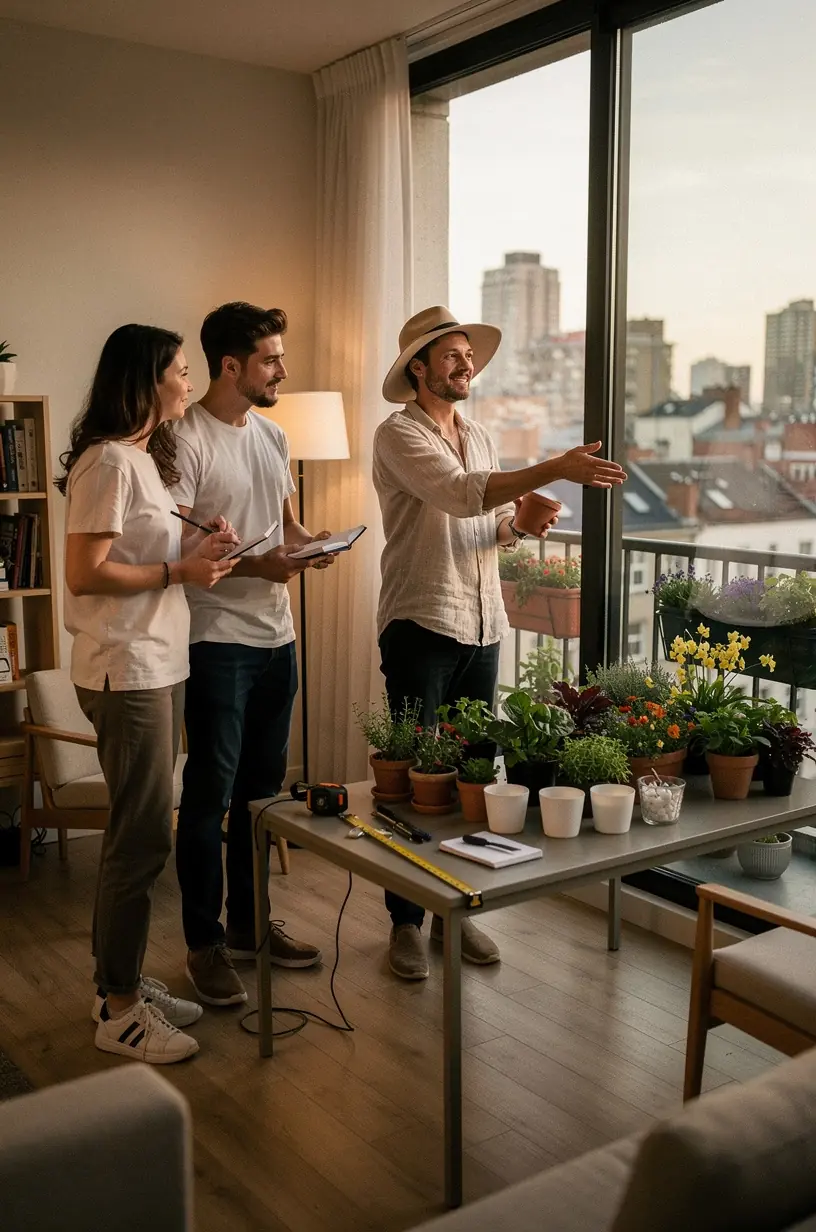
- Assess Your Space: Take measurements of the area you wish to use and determine how much sunlight it receives. Most plants require at least 6 hours of sunlight per day.
- Select Your Plants: Experts recommend choosing plants that are suitable for vertical growing. Herbs, succulents, and vines are often good choices for smaller setups.
- Installation: Depending on your chosen system, you may need to install brackets or shelving. Ensure that your structure is sturdy enough to support the weight of the soil and plants.
- Watering and Maintenance: Vertical gardens typically require more frequent watering due to their structure. A drip irrigation system may be beneficial in managing water efficiently.
Challenges and Considerations
While vertical gardening presents many benefits, it also comes with challenges. Time commitment is a key factor; it generally requires regular maintenance and monitoring, especially in the early stages. Many users report that it can take a few weeks for plants to establish themselves. Additionally, learning curves can vary depending on the chosen gardening method.
Conclusion
Vertical gardening can be an effective solution for those looking to enhance their living spaces with greenery, even in urban environments. By understanding the basics, selecting the right system, and following a clear process, you can create a thriving vertical garden in your own home. Remember to set realistic expectations, as results may take time and care to achieve. Happy gardening!