How to Maximize Sunlight for Balcony Plants
Maximizing sunlight exposure is crucial for the health and productivity of balcony plants. This article explores effective strategies that can help you optimize sunlight for your plants, ensuring they thrive in urban environments.
Understanding the Importance of Sunlight
Sunlight is a vital resource for plants, playing a critical role in the process of photosynthesis. According to research conducted by the American Horticultural Society, plants require a minimum of 6 hours of direct sunlight daily to grow optimally. In many urban settings, balconies can present unique challenges and opportunities for sunlight exposure.
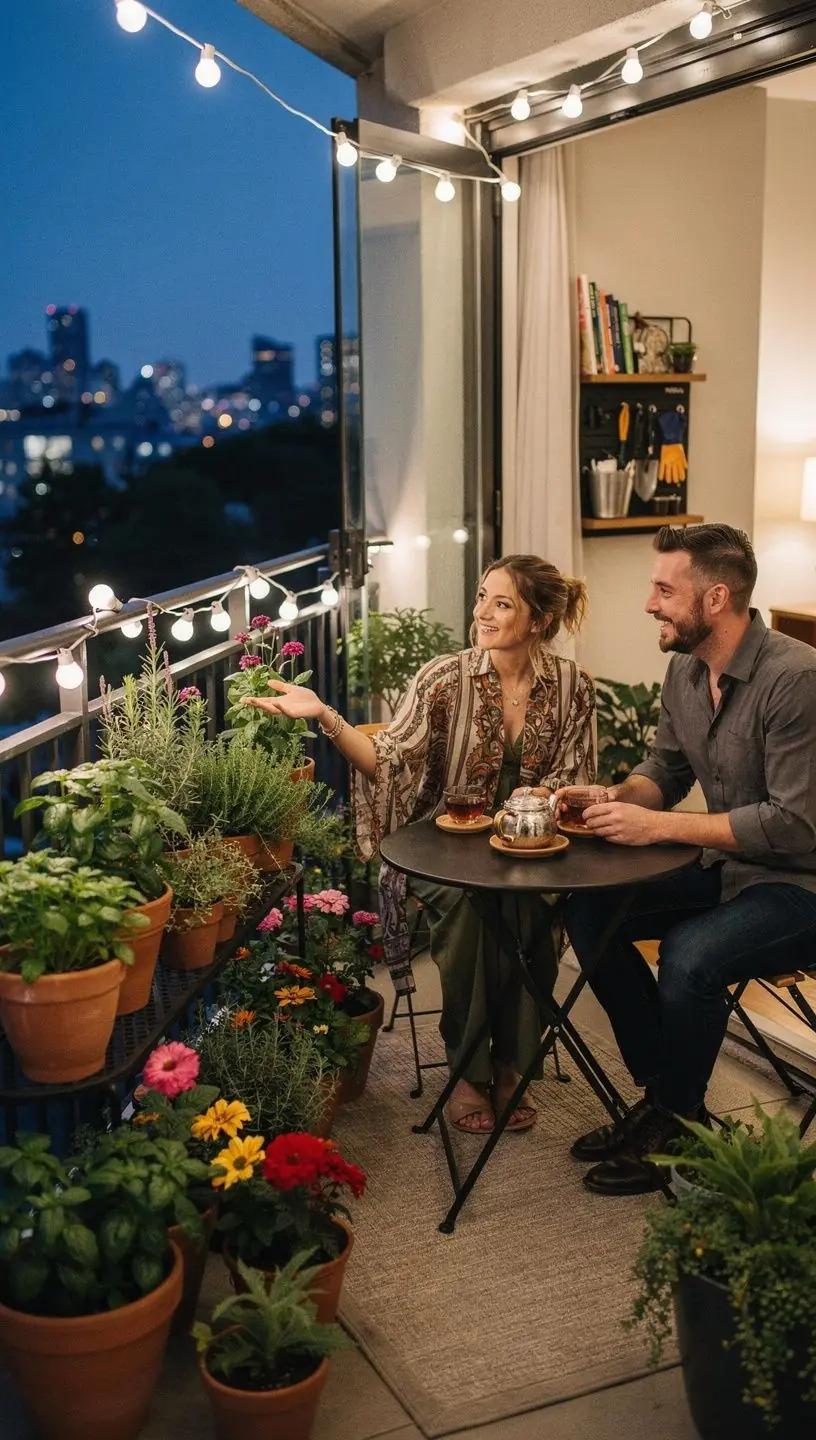
"Proper sunlight management can enhance plant growth and yield significantly, especially in compact spaces like balconies."
Assessing Your Balcony's Sunlight Exposure
Before implementing strategies, it’s essential to assess your balcony's sunlight exposure. Factors such as surrounding buildings, overhanging structures, and neighboring trees can affect light levels. Here are steps to evaluate your space:
- Observe Sun Patterns: Spend a few days observing how sunlight moves across your balcony throughout the day.
- Use a Sunlight Calculator: Tools such as sun path calculators can help estimate sunlight availability based on your geographic location.
- Consider Seasons: Remember that sunlight patterns can change with the seasons; what works in summer may differ in winter.
Effective Strategies to Maximize Sunlight
Once you understand your balcony's sunlight situation, you can implement several effective strategies to maximize light for your plants:
- Choose the Right Plants: Select plants that are known to thrive in partial or full sunlight. Many users report success with herbs like basil and mint, which can flourish in varied light conditions.
- Utilize Reflective Surfaces: Adding mirrors or reflective materials can help redirect sunlight to your plants. This method works because light can bounce off surfaces, increasing overall exposure.
- Vertical Gardening: Consider using vertical planters or shelves to elevate plants. This configuration can help maximize available light, especially when certain areas of the balcony receive more sun.
- Avoid Obstructions: Regularly trim back any plants or foliage that might shade your balcony plants. This can significantly improve direct light access.
Optimizing Plant Placement
Placement is critical for maximizing sunlight exposure. Experts recommend grouping plants based on their light requirements. For instance, place sun-loving plants at the back or top of your vertical setups, while those requiring less light can be positioned in shaded areas. This arrangement can help ensure that every plant receives adequate sunlight.
Monitoring and Adjusting
Maximizing sunlight is an ongoing process. Monitor your plants regularly and be prepared to make adjustments as needed. According to studies, plants may show signs of stress, such as wilting or yellowing leaves, if they are not receiving enough sunlight. Adjustments may include repositioning pots or even changing plant varieties based on seasonal light availability.
Conclusion
Maximizing sunlight for balcony plants requires a combination of assessment, strategic planning, and ongoing monitoring. By understanding your unique sunlight conditions and implementing these effective strategies, you can help your balcony garden thrive. Keep in mind that results may vary based on specific circumstances, but dedication to optimizing light can lead to healthier, more productive plants over time.
Learn More