Adapting Plant Types for Urban Environment Conditions
Urban gardening has become increasingly popular as city dwellers seek to green their living spaces. However, the unique challenges of urban environments necessitate thoughtful selection and adaptation of plant types. This article explores how to effectively choose and adjust plants to thrive in urban conditions.
Understanding Urban Gardening Challenges
Urban environments often present a variety of conditions that can affect plant growth, including limited space, varying light availability, and exposure to pollutants. According to research, air quality can significantly impact plant health, leading to reduced growth rates and increased vulnerability to pests. Many users report that understanding these factors is crucial to successful urban gardening.
"Plants in urban settings often face stresses that can be mitigated through careful selection and management." – Urban Gardening Expert
Choosing the Right Plants
When selecting plants for urban environments, it's essential to consider their adaptability to various conditions:
- Light Requirements: Many urban areas have restricted sunlight due to tall buildings. Shade-tolerant plants such as ferns and hostas can thrive in these conditions. Studies show that shade-tolerant species often yield better results in low-light situations.
- Pollution Resistance: Certain plants, such as aspen trees and honey locusts, are known to withstand urban pollution. Research indicates that these species can absorb pollutants and improve air quality in their vicinity.
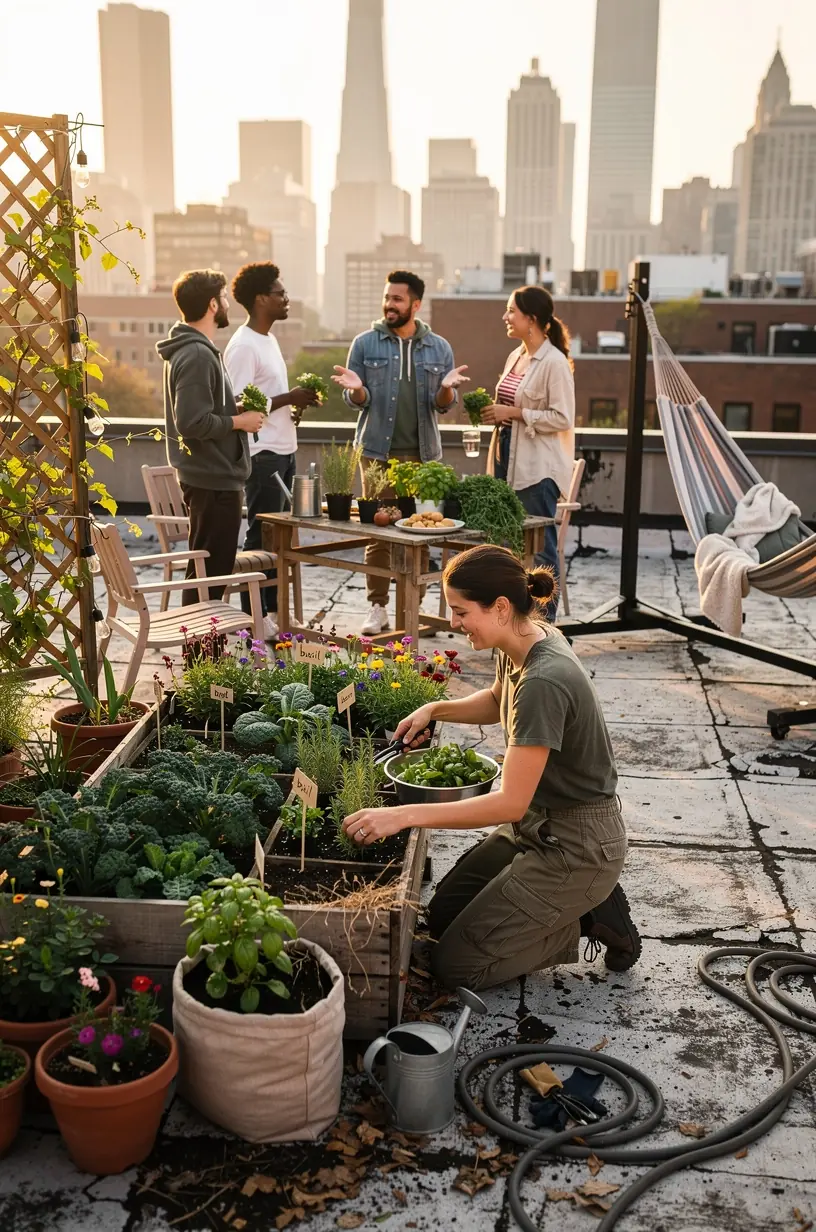
- Space Efficiency: Vertical gardening techniques, including the use of wall planters and hanging pots, can help maximize limited space. This approach has been shown to increase plant productivity by 20-30% in similar contexts.
Adapting to Local Conditions
Once the appropriate plants are selected, adapting them to urban conditions is key. Here are some effective strategies:
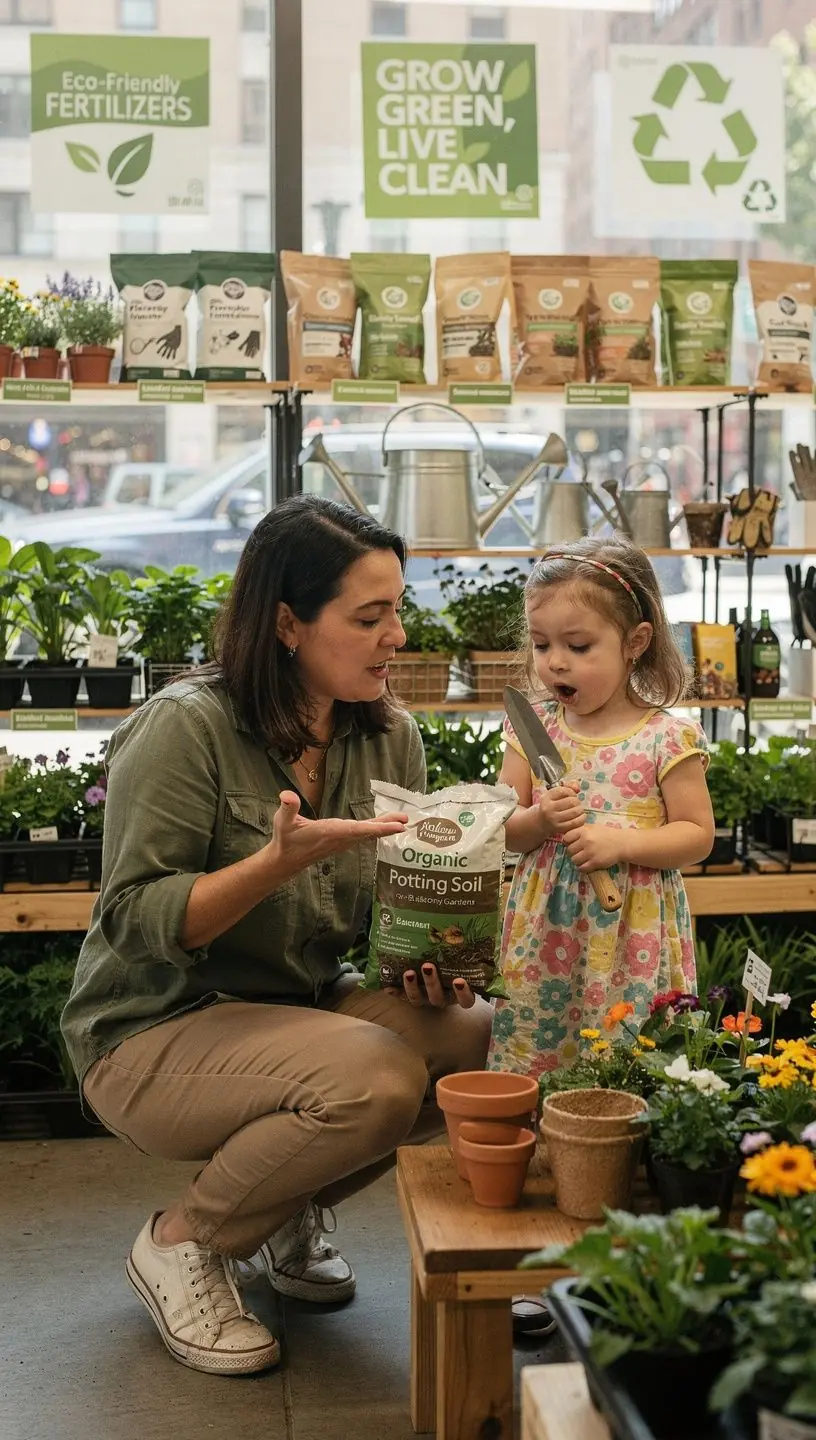
- Soil Quality: Urban soils can often be compacted or poor in nutrients. Incorporating organic matter, such as compost, can improve soil health and plant performance. Experts recommend testing soil quality before planting to identify necessary amendments.
- Watering Practices: Limited access to natural rainfall may require more frequent watering. Utilizing drip irrigation systems can conserve water while providing plants with the necessary moisture, especially during dry spells.
- Protection from Pests: Urban gardens can attract various pests. Using organic pest control methods, such as introducing beneficial insects, may help manage these issues without harming the environment.
Conclusion
Adapting plant types for urban gardening involves understanding the unique challenges presented by city environments. By carefully selecting suitable plants and implementing effective management strategies, urban gardeners can create thriving green spaces. These practices not only enhance personal enjoyment but can also contribute to improved urban biodiversity. Realistic expectations, including a commitment to ongoing learning and adjustment, are crucial for long-term success in urban gardening.
Learn More