Tips for Maintaining Indoor Plants in Urban Settings
Urban living presents unique challenges and opportunities for indoor gardening. This article provides practical tips for maintaining indoor plants in urban settings, catering to both novice and experienced gardeners.
Understanding the Urban Environment
Maintaining indoor plants in urban settings can often be more challenging than in suburban or rural areas. Factors such as limited natural light, fluctuating temperatures, and urban pollution can impact plant health. According to studies by the American Society of Horticultural Science, many urban gardeners report that adapting to these conditions is crucial for successful indoor gardening.
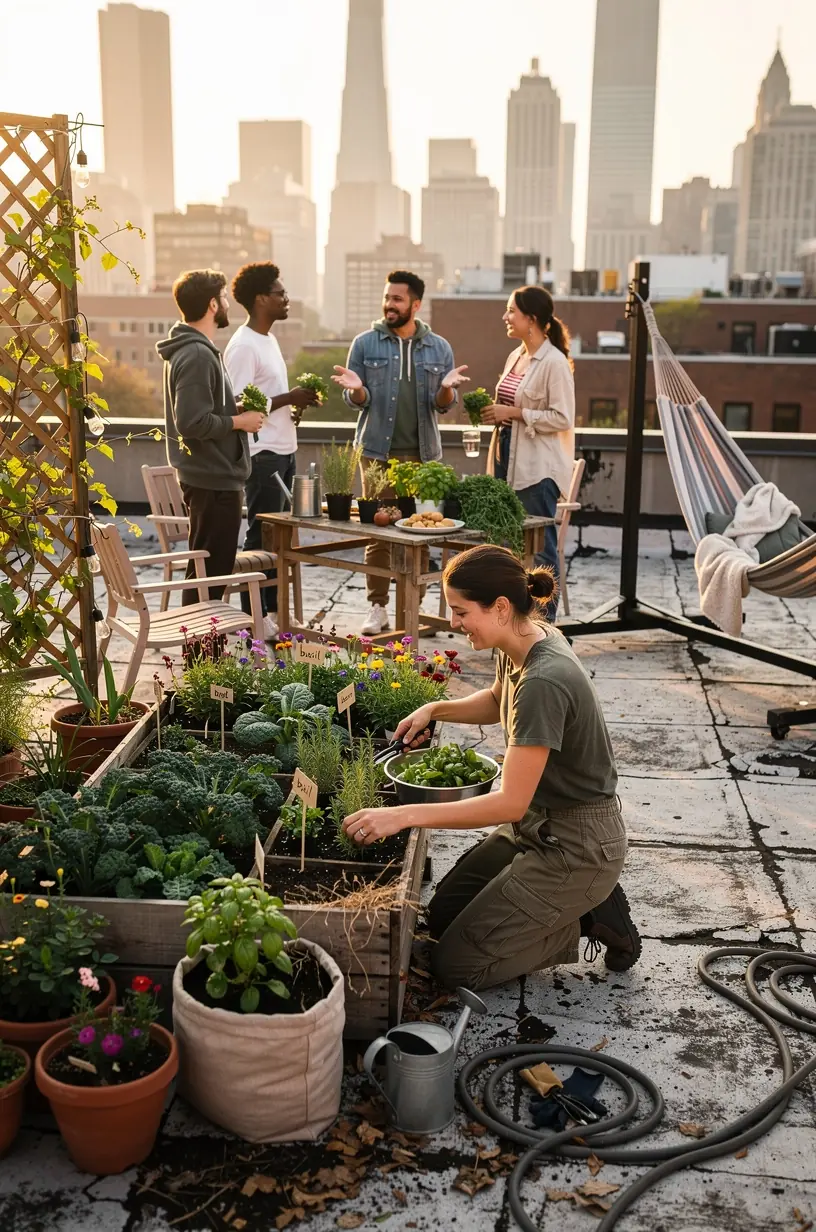
"The urban environment provides both challenges and opportunities for indoor gardeners to thrive." - Urban Gardening Expert
Choosing the Right Plants
Selecting plants that are well-suited to indoor environments is a vital first step. Many users find that low-maintenance plants such as pothos, snake plants, or peace lilies are effective choices. These plants typically require less light and can tolerate varying humidity levels.
- Pothos: Known for its resilience, it can thrive in low light and requires minimal watering.
- Snake Plant: Often recommended for beginners, it is drought-tolerant and can adapt to different conditions.
- Peace Lily: Can bloom in low light but prefers occasional bright light for optimal growth.
Light and Temperature Considerations
Indoor plants typically require adequate light to thrive. Many experts recommend using grow lights in areas that receive insufficient natural light, especially during winter months. Research indicates that plants often grow better when exposed to specific light spectrums provided by LED grow lights.
Additionally, understanding and maintaining appropriate temperature ranges is essential. Most houseplants prefer temperatures between 60°F and 75°F. Fluctuations outside this range may hinder growth and cause stress to the plants.
Watering and Humidity
Effective watering practices are critical for plant health. Overwatering is a common mistake among indoor gardeners. According to the National Gardening Association, a good rule of thumb is to check the top inch of soil; if it feels dry, it’s usually time to water again. This approach can help prevent issues such as root rot, which often arises from excessive moisture.
Moreover, urban environments may have lower humidity levels, particularly during winter. Many users find that increasing humidity—by misting plants or using a humidity tray—can significantly improve plant growth. Experts often suggest keeping humidity levels around 40-60% for most indoor plants.
Fertilizing and Nutrition
Providing the right nutrients is essential for healthy indoor plants. Many experts recommend using a balanced, water-soluble fertilizer during the growing season (typically spring and summer). Research indicates that fertilizing every 4-6 weeks can support optimal growth in most indoor plant species.
It’s important to follow the manufacturer's guidelines and avoid over-fertilizing, as this can lead to salt build-up and damage the roots.
Conclusion
Maintaining indoor plants in urban settings may require some adjustments and learning. By choosing appropriate plants, providing adequate light and humidity, and following sound watering practices, urban gardeners can foster a thriving indoor garden. Remember, the journey involves trial and error, and each plant may have unique needs. With dedication and the right resources, you can create a lush green space within your urban abode.
Learn More