Creating a Sustainable Urban Garden Plan
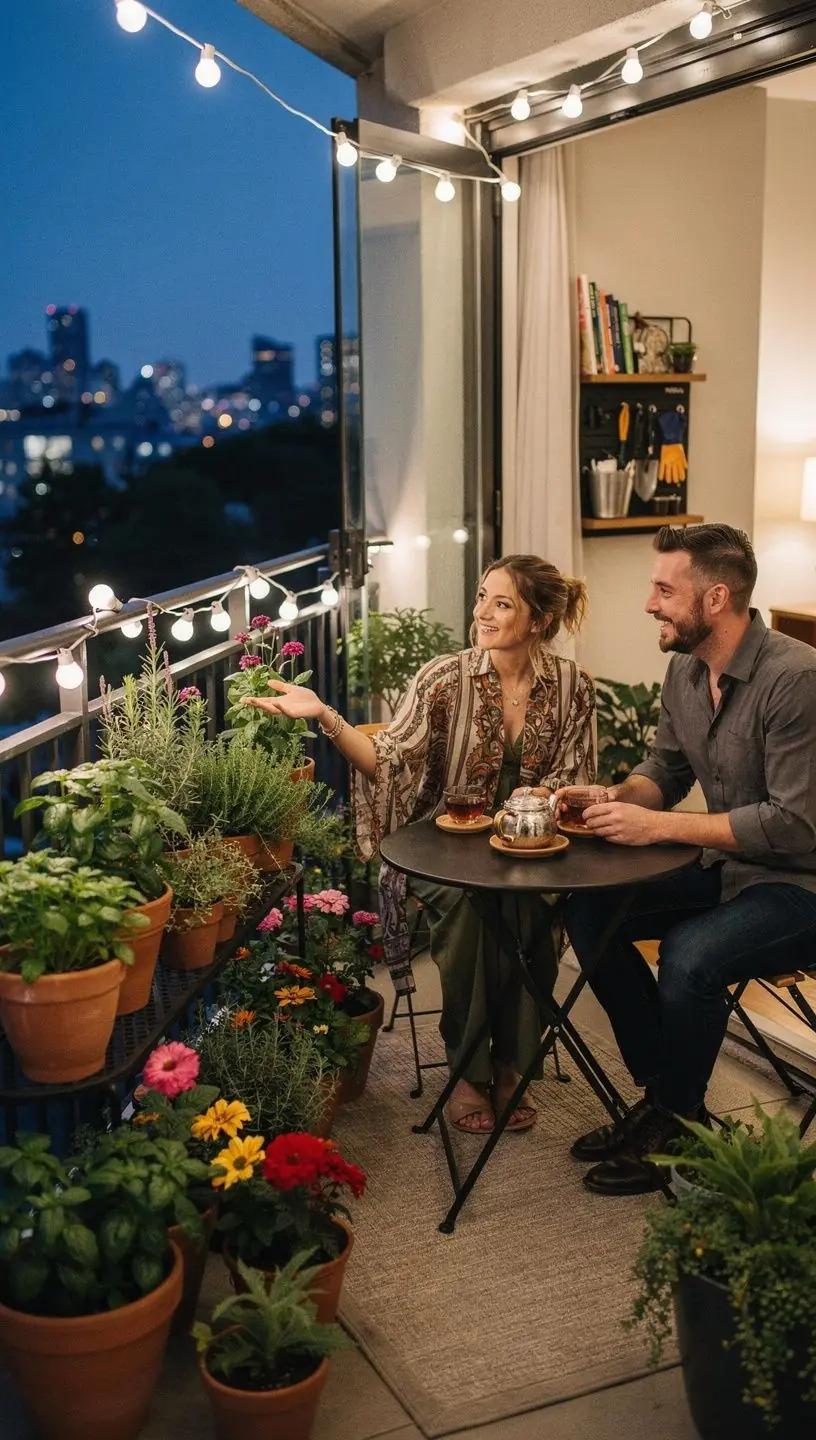
Urban gardening has gained popularity as a practical response to limited space and environmental challenges in cities. This article delves into how to develop an effective urban garden plan that emphasizes sustainability, ensuring that your green endeavor can thrive while benefiting both you and the local ecosystem.
Understanding the Basics of Urban Gardening
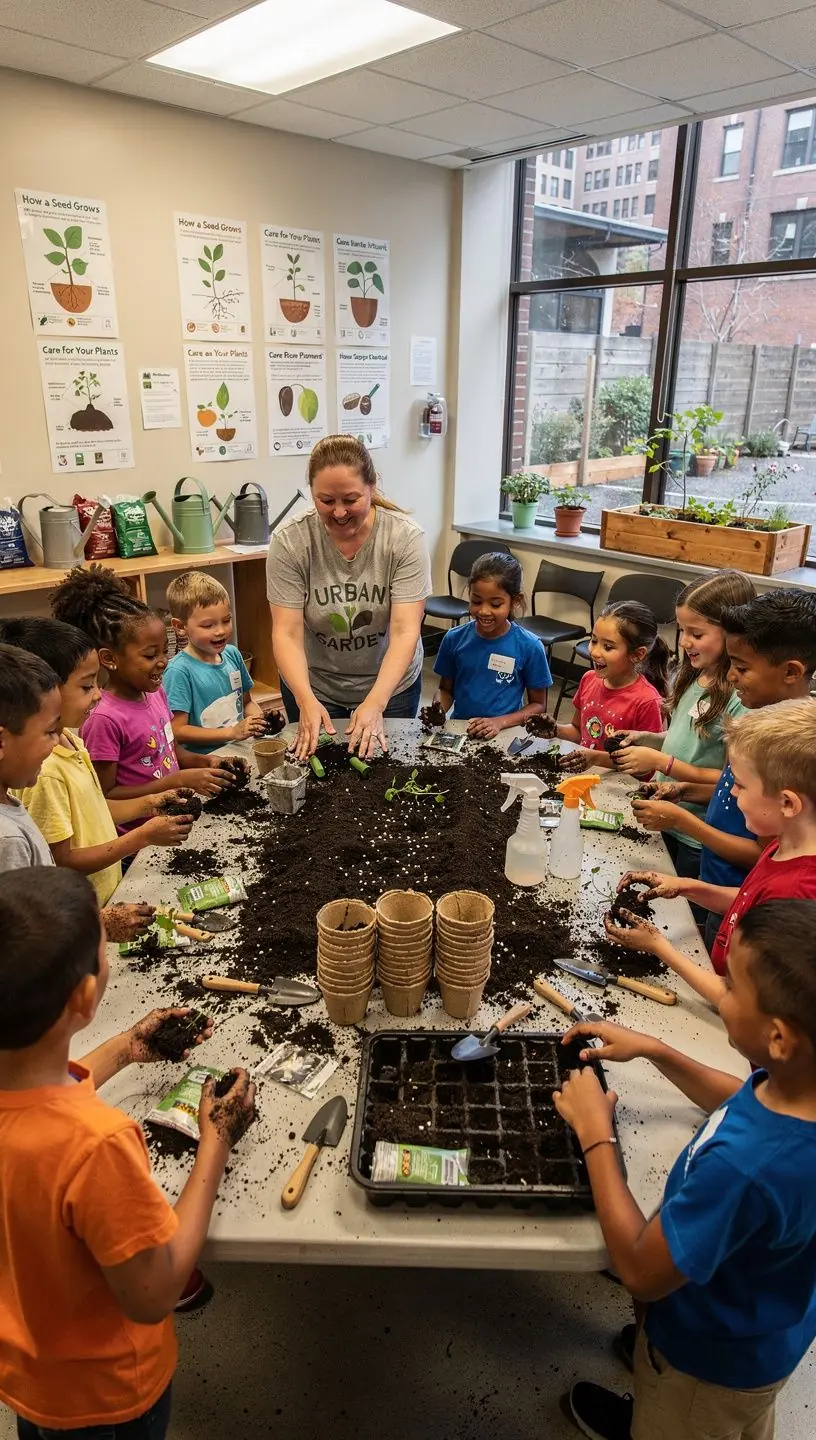
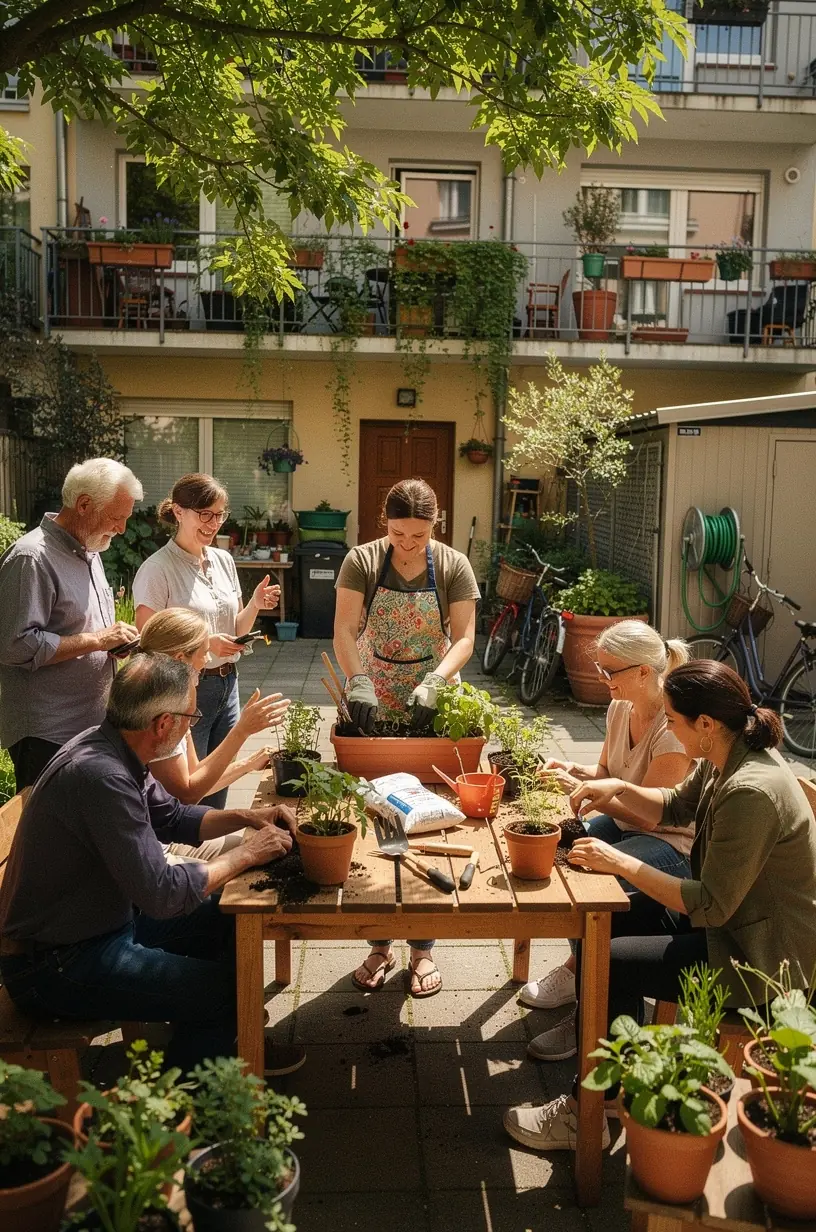
Urban gardening integrates principles of sustainability with innovative gardening techniques. According to a study published by the American Society of Horticultural Science, community gardening can improve food security and foster healthy lifestyles in urban populations.
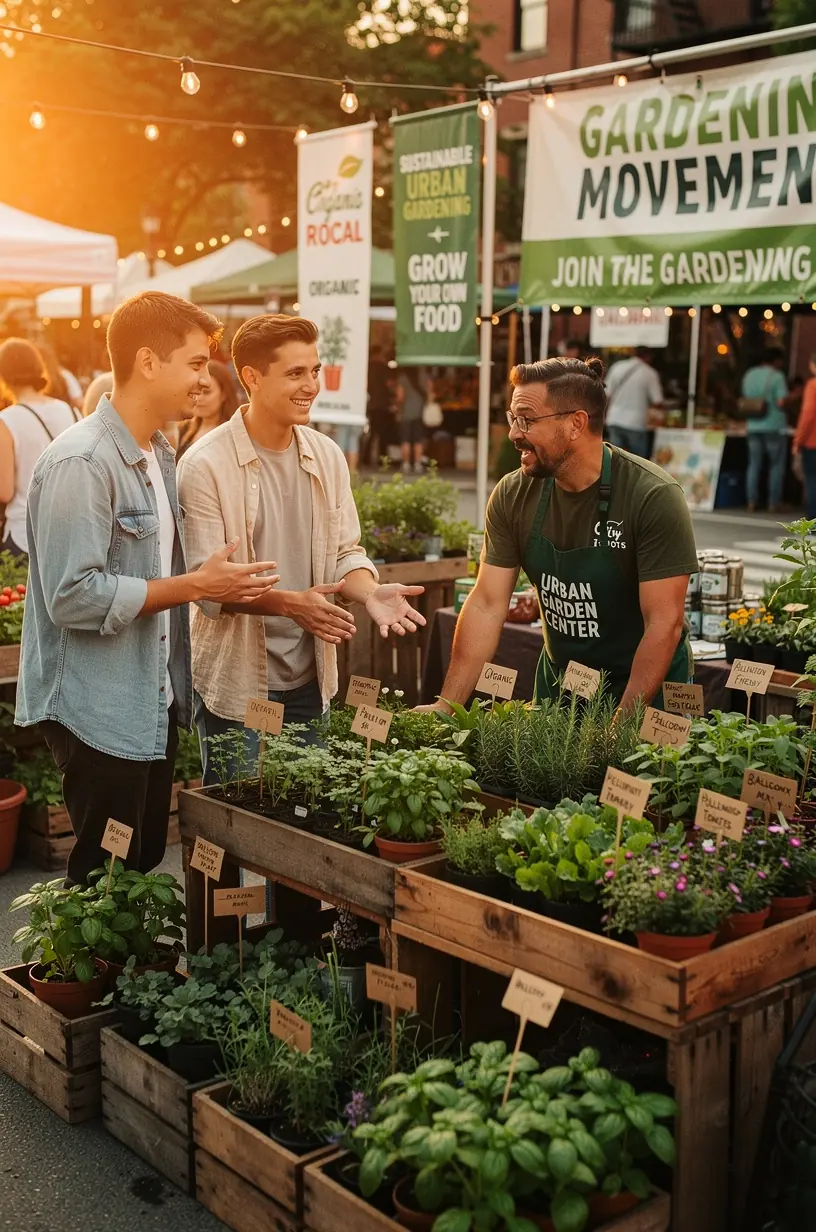
"Gardening in urban environments provides both aesthetic and practical benefits, enhancing community engagement and contributing to improved well-being."
Components of a Sustainable Urban Garden
Creating a sustainable garden typically involves several key components. Here are some essential elements to consider:
- Soil Health: Quality soil is fundamental. Research indicates that utilizing organic compost can enhance soil structure and nutrient availability, making it more productive.
- Water Conservation: Implementing rainwater harvesting systems can reduce water usage significantly. In many cases, experts recommend methods like drip irrigation to ensure efficient watering.
- Diversity of Plants: Planting a variety of species can create a balanced ecosystem. Studies show that biodiversity often leads to higher resilience against pests and diseases.
Designing Your Urban Garden
When planning your garden, several steps can help you create an effective layout:
- Assess Your Space: Evaluate the sunlight, wind, and shade patterns. This typically takes a few days to understand fully.
- Select Appropriate Plants: Choose plants that are well-suited to your climate zone. The USDA Plant Hardiness Zone Map can be a valuable resource.
- Plan for Growth: Anticipate how plants will spread and grow over time. This requires regular monitoring and adjustments as necessary.
- Incorporate Vertical Space: Using trellises or wall planters can maximize growth potential, particularly in small areas.
Implementing and Maintaining Your Garden
Once your plan is in place, implementation and maintenance are crucial. Here are some tips:
- Regular Monitoring: Keep an eye on plant health and soil moisture. This typically involves daily checks, especially in warm weather.
- Utilize Organic Practices: Many gardeners report that organic pest control methods, such as introducing beneficial insects, are effective and environmentally friendly.
- Stay Informed: Join local gardening groups or online forums. Engaging with other gardeners can provide valuable insights and support.
Conclusion
Developing a sustainable urban garden involves thoughtful planning and ongoing maintenance. By incorporating principles of sustainability into your gardening practices, you can create an enriching environment for both plants and people. Remember, the journey of urban gardening is ongoing, requiring patience and dedication, but the rewards – fresh produce, environmental benefits, and a sense of community – are well worth the effort.